

Before You Seek Help
By Psychologist Julie Melsom
Have you ever thought that weekly sessions with a psychologist, talking about the past, are all it takes to feel better? The truth is that effective therapy requires more, from the method, the psychologist, and from you as the client.
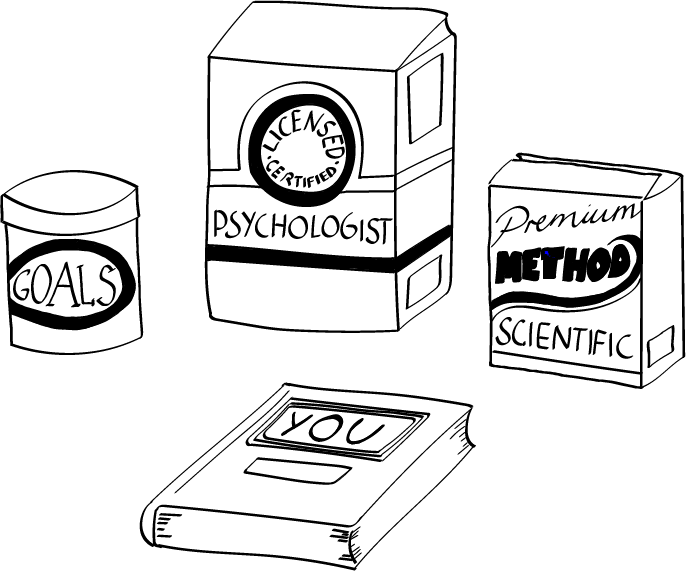
Think of therapy like baking.
To succeed, you need the following ingredients:
A research-based treatment method
A qualified psychologist
Clear goals and regular evaluation
You, your motivation, and your belief in the possibility of change

Research-Based Methods
If you are struggling with anxiety, it is important to choose a treatment method that is specifically designed to address anxiety.
Effective methods have been developed and tested through extensive clinical research. These are known as evidence-based treatment approaches. Most of them are built on the connection between emotions, thoughts, and behavior.
Examples of well-documented methods include:
Metacognitive Therapy (MCT) is an effective treatment for anxiety, stress and burnout, depression, obsessive-compulsive disorder, and trauma.
Cognitive Behavioral Therapy (CBT) is a widely used form of therapy. Within this approach, several effective tools have been developed to treat sleep difficulties, eating disorders, trauma, panic disorder, and obsessive-compulsive disorder.
Emotion-Focused Therapy (EFT) is effective for clients who want to identify and express emotions and strengthen relationships. This method is also effective for family counselling and couples therapy.
If you would like a detailed overview of CBT, MCT, EFT, and other therapy approaches, you can click HERE.

A Qualified Psychologist
A good treatment method works best when the psychologist is well trained in using it. Specialized expertise in effective therapy methods often requires additional education or professional training. Check whether your psychologist has this background. If you are unsure, you can contact them and ask which treatment approach they use.
It is important that you feel safe, respected, and understood so that you can speak openly and honestly during sessions. If you do not experience this, you can give feedback or choose to change psychologists. This is completely normal.
The relationship with a psychologist is professional and focused on you and your treatment. The relationship ends when the treatment is completed.
There are several websites that provide overviews of available psychologists, such as ledigpsykolog.no. You can also find more information about psychological healthcare on Helsenorge.
Resurface offers metacognitive therapy (MCT). You can read more about this here. We are here to help. If you would like support or guidance, you are welcome to contact us here.

Clear Goals and Ongoing Evaluation
Psychological treatment is a journey that requires a destination. You may not know exactly where you want to go, and that is completely normal. Your psychologist can help you clarify this.
The goal of therapy is usually lasting relief from symptoms, so that difficult thoughts and emotions no longer control your daily life. No one is happy all the time, but thoughts and feelings should not reduce your quality of life over time.
Habit change and behavioral change are often key to creating a more positive life. What this looks like will be different for each person. One helpful step is to set realistic and clear goals together with your psychologist. This increases the likelihood of good results.
Having clear goals also makes it easier for both you and your psychologist to evaluate how the treatment is working along the way.
During therapy, your psychologist may use questionnaires or simple check-in questions to measure progress. Improvements in mental health often happen gradually, which is why regular evaluation is important in deciding when treatment can be successfully completed.

You
Psychological treatment can be both short and effective. This does not mean it is easy.
Changing habits and learning new strategies for handling life requires effort, motivation, and repetition. This is where a psychologist can be of great help.
You may need to challenge old habits and limiting beliefs such as “I’m not a morning person” or “I’ll never feel better.”
Change is possible, and together with a psychologist, you can get support in believing in your own ability to change.
The expectations you bring into therapy can influence how effective the treatment will be. It is helpful to talk early on about your expectations of therapy and the psychologist’s approach.
Many therapy methods focus more on practical tools than on talking extensively about the past. Being aware of this can help build trust in the therapeutic process.
Summary
Effective therapy consists of five key elements: a research-based method, a qualified psychologist, clear goals, your motivation, and repetition.
Metacognitive therapy, cognitive behavioral therapy, and emotion-focused therapy are good examples of well-documented treatment methods.
The relationship with your psychologist should feel safe and professional.
Clear goals and regular evaluation make treatment more precise and effective.
Your own effort and belief in the possibility of change are essential for achieving lasting results.
Repetition is important to ensure long-term improvement.